Open-Ended Survey Questions: 75 Examples That Get Useful Answers
Start collecting responses
Turn this into a shareable survey
Draft the questions, publish a clean link, and keep every response organized in FormHug.
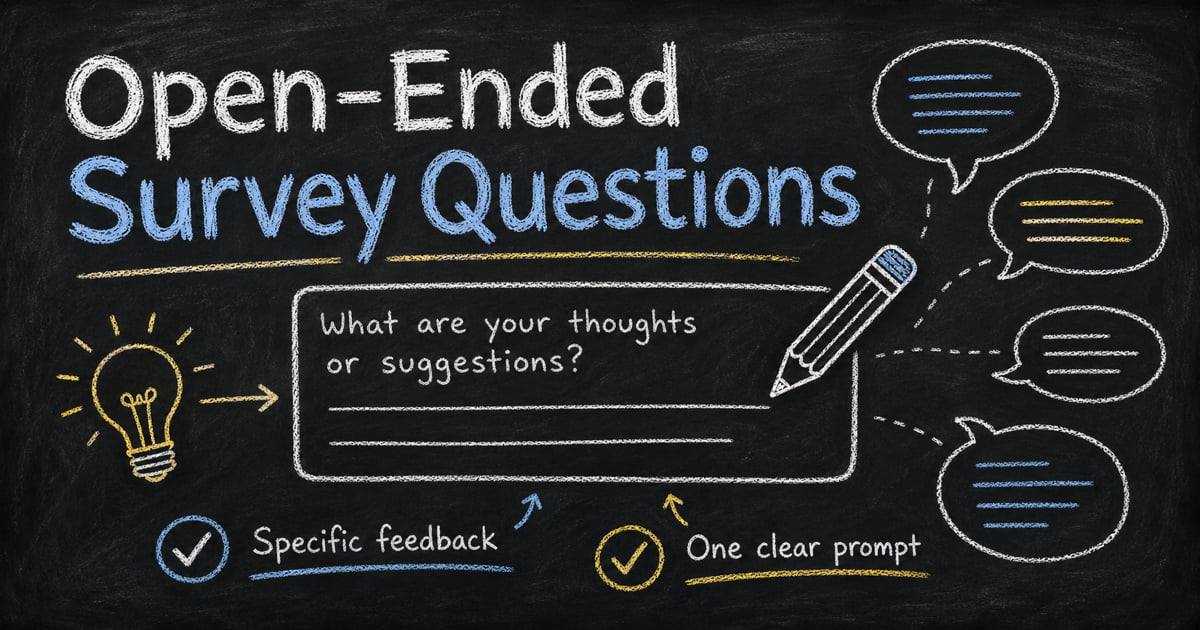
Open-ended survey questions can produce the most useful feedback in a survey, but they can also produce blank boxes, vague praise, and paragraphs no one has time to read. The difference is not whether you include a text field. The difference is whether the prompt gives people a specific job to do.
“Any comments?” is not a useful question. “What one thing should we improve before the next session?” is. The first asks respondents to invent a topic. The second points them at a decision.
This guide covers when to use open-ended survey questions, how to write prompts that produce specific answers, 75 examples by use case, and how to combine open-ended fields with structured questions in FormHug.
TL;DR - Open-ended survey questions ask respondents to answer in their own words and work best when you need context, examples, objections, or unexpected insights.
- Ask for one specific thing - prompts like “What one thing…” produce better answers than broad comment boxes.
- Use after structured questions - pair ratings, yes/no questions, or multiple choice answers with a targeted text follow-up.
- Keep them selective - too many open-ended fields create fatigue and lower completion quality.
- Works for: customer feedback, product research, employee surveys, training evaluations, event feedback, and market research.
- FormHug can combine open-ended text fields with conditional logic so only relevant respondents see each prompt.
What Are Open-Ended Survey Questions?
Open-ended survey questions let respondents answer in their own words instead of choosing from predefined options. They are useful when you need explanation, examples, language, objections, or ideas you did not anticipate.
Examples:
- What was the most confusing part of the setup process?
- What nearly stopped you from buying?
- What should we change before the next event?
- What is one feature you expected but did not find?
- How would you describe this product to a colleague?
Open-ended questions are not a replacement for structured fields. They work best when they explain a structured answer.
When to Use Open-Ended Survey Questions
Use them after a rating
A score tells you how strong the feeling is. The open-ended follow-up tells you why.
- What made you choose that score?
- What would have made the score one point higher?
- What should we keep doing?
- What was missing from the experience?
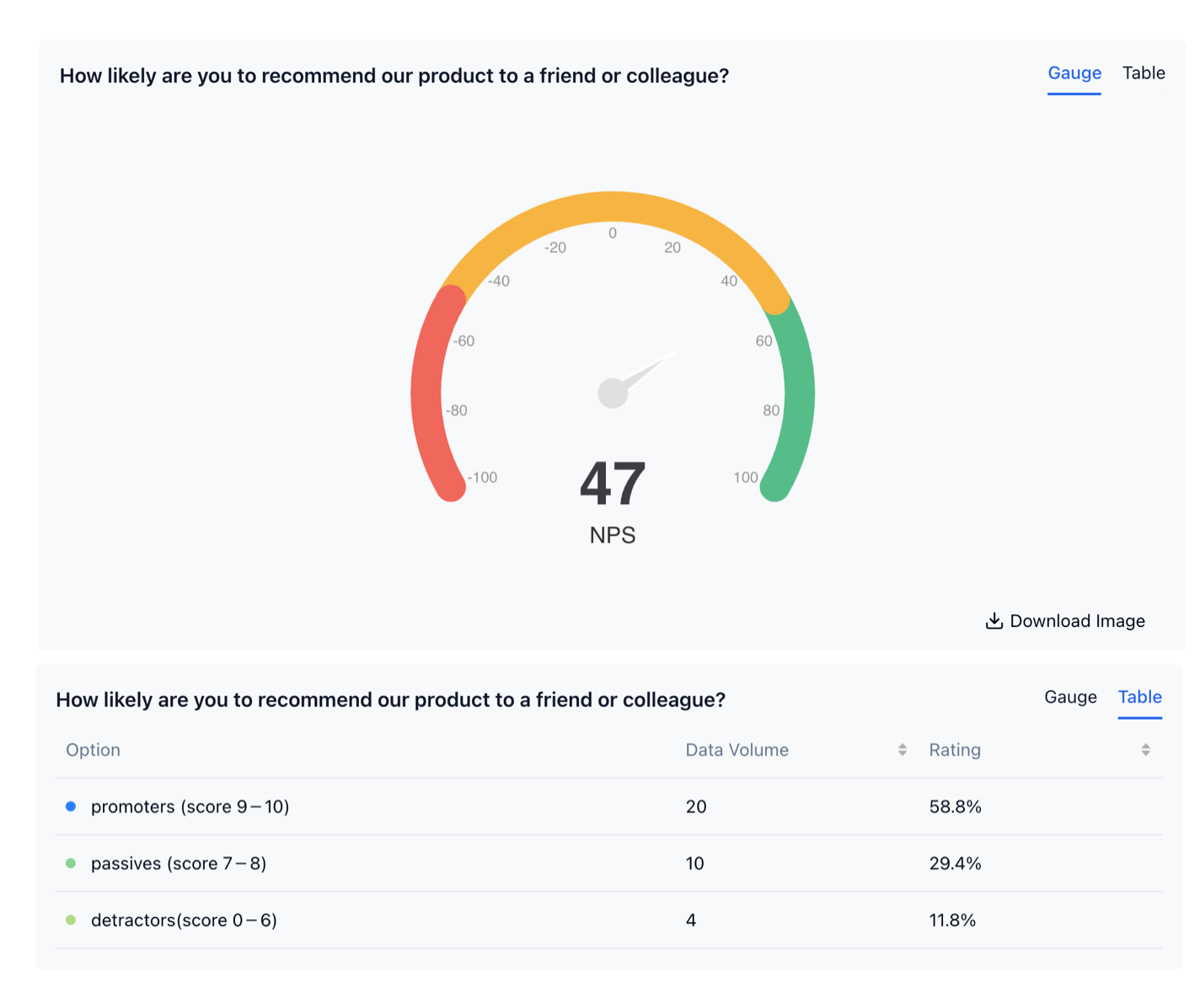
This is the pattern behind effective NPS, event feedback, and training evaluations.
Use them after a yes/no question
Binary answers need context.
- If Yes: What made it work well?
- If No: What prevented it from working?
- If Yes: What should we do more of?
- If No: What would need to change?
This approach keeps the first answer easy and the second answer meaningful.
Use them when you do not know the answer set yet
If you are still exploring a problem, do not force respondents into options you invented too early. Start with open-ended prompts, then turn common answers into multiple choice options later.
Use them for exact language
Open-ended answers reveal how customers, students, employees, or users describe a problem in their own words. That language is useful for product copy, sales conversations, support docs, and future survey design.
75 Open-Ended Survey Question Examples
Customer feedback
- What problem were you trying to solve when you chose this product?
- What was the most useful part of your experience?
- What was the most frustrating part of your experience?
- What nearly stopped you from purchasing?
- What would make you more likely to buy again?
- What should we explain more clearly?
- What would you tell a friend who is considering this product?
- What did you expect to happen that did not happen?
- What is one thing we should keep doing?
- What is one thing we should stop doing?
Product research
- What task were you trying to complete?
- What did you try first?
- Where did you get stuck?
- What feature did you expect but not find?
- What workaround do you use today?
- What would make this feature worth paying for?
- What part of the prototype felt unclear?
- What would you rename this feature?
- What would make you share this with your team?
- What is the smallest version of this feature that would still help?
Employee surveys
- What is one thing making your work harder than it needs to be?
- What is one thing your manager should keep doing?
- What is one thing your team should change this quarter?
- What information do you wish you had earlier?
- What process creates the most unnecessary work?
- What would help you feel more supported?
- What should leadership explain more clearly?
- What is one recent example of work going well?
- What is one recent example of work getting blocked?
- What would make meetings more useful?
Event feedback
- What was the most valuable part of the event?
- What should we change before the next event?
- What session or moment do you remember most?
- What question did the event not answer?
- What felt too rushed?
- What felt too basic or too advanced?
- What would make you attend again?
- What would make the event easier to recommend?
- What logistics issue should we fix first?
- What topic should we cover next?
Training and education
- What concept is still unclear?
- What example helped you understand the topic?
- What should the instructor explain differently?
- What would help you apply this in your work?
- What practice exercise should we add?
- What part of the course moved too quickly?
- What part of the course felt repetitive?
- What feedback would help you improve?
- What topic should be reviewed before the exam?
- What would make the assignment instructions clearer?
Market research
- How do you currently solve this problem?
- What makes the current solution frustrating?
- What would make you switch providers?
- What do you compare before buying?
- What words would you use to describe this category?
- What risk worries you most about this purchase?
- What would make the product feel trustworthy?
- What would make this product feel too expensive?
- What trend is changing how you make this decision?
- What question should we have asked but did not?
Lead qualification and sales
- What goal are you trying to reach?
- What happens if this problem is not solved?
- What timeline are you working toward?
- What have you already tried?
- What does success look like for this project?
- Who else is involved in the decision?
- What would make this project difficult to approve?
- What budget range are you considering?
- What is the first result you need to see?
- What should we know before contacting you?
General survey closers
- What is one thing we should know that we did not ask?
- What would make this experience easier?
- What surprised you?
- What should we do next?
- What is the clearest way to summarize your experience?
How to Write Better Open-Ended Questions
Ask for one thing
“What one thing should we improve?” is better than “What feedback do you have?” It gives the respondent a smaller task and gives you an answer that is easier to act on.
Add a decision frame
Tie the question to the decision you need to make.
- Before we redesign onboarding, what step should we fix first?
- Before we run this event again, what should change?
- Before we build the next feature, what problem should it solve?
Decision-framed questions produce more useful answers because respondents understand the purpose.
Avoid vague closers
“Any additional comments?” is acceptable as a final optional field, but it should not be your only open-ended question. Use it as a safety net after the specific questions are already covered.
Do not ask too many
Open-ended questions require effort. In most surveys, 1 to 3 text prompts is enough. If every question asks for a paragraph, respondents will either abandon the survey or write less carefully.
How to Build an Open-Ended Survey in FormHug
Step 1: Pair text fields with structured questions
Start with a rating, yes/no, or multiple choice question. Then add one text field that asks for the reason behind the answer.
Step 2: Generate a draft with AI
Open FormHug and describe the survey: “Create a product feedback survey with ratings, multiple choice blockers, and open-ended follow-ups for low scores.” The AI builder creates the first structure.
Step 3: Use conditional logic to reduce fatigue
Show text fields only when they are relevant. For example, if someone gives a low rating, ask what went wrong. If someone gives a high rating, ask what worked well. FormHug’s conditional logic handles this without making everyone answer every prompt.
Step 4: Analyze themes before averaging scores
Read open-ended answers in groups: low scores, high scores, first-time users, repeat users, attendees, non-attendees. Patterns usually appear faster when you segment the responses first.
Frequently Asked Questions
What is an open-ended survey question?
An open-ended survey question lets respondents answer in their own words instead of choosing from a fixed list. It is used to collect explanations, examples, objections, and unexpected insights.
Are open-ended questions better than multiple choice questions?
Not always. Open-ended questions are better for context and discovery. Multiple choice questions are better for structured analysis. The strongest surveys usually use both.
How many open-ended questions should a survey have?
Most surveys should include 1 to 3 open-ended questions. More can work for research interviews or long-form evaluations, but too many text fields reduce completion quality.
What is a good open-ended question for customer feedback?
“What one thing would make this product more useful for you?” is a strong customer feedback question because it asks for a specific improvement rather than a general opinion.
Should open-ended questions be required?
Use required open-ended questions sparingly. If the answer is essential, make it required. If it is a final comment box or optional context, keep it optional to reduce abandonment.
Can FormHug analyze open-ended survey answers?
FormHug collects open-ended responses alongside structured fields, exports results, and lets you segment responses by earlier answers. For advanced analysis, export responses or connect your workflow through integrations.
Related
- Multiple Choice Survey Questions - turn common text answers into structured answer options
- Yes or No Survey Questions - pair binary answers with targeted text follow-ups
- NPS Survey Best Practices - use open-ended follow-ups after score-based questions
- How to Create an Evaluation Form - build feedback forms that collect evidence, not just ratings
The best open-ended question does not ask people to write more. It asks them to write the one thing that helps you make a better decision. Create your survey ->

Written by
FormHug TeamProduct, research, and form automation team
The FormHug Team brings together product builders, workflow researchers, and form automation practitioners who study how people collect, route, and act on information online. Our guides are based on hands-on product testing, template analysis, customer workflow patterns, and deep experience with forms, surveys, quizzes, AI-assisted creation, integrations, and results sharing.