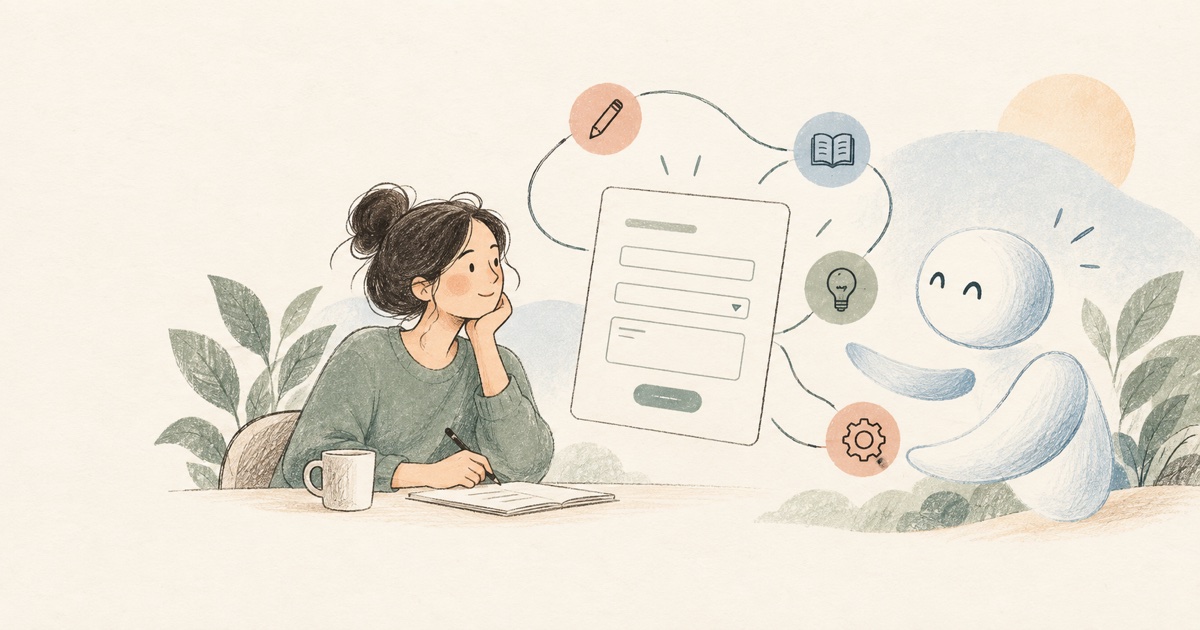
Creating a Form Is Only the First Agent Workflow
More than half of FormHug forms now begin with an agent. The bigger opportunity is what happens after creation: reading, analyzing, and acting on form data
· 5 min read
Team thinking
Selected writing from FormHug on form design, AI agents, and the future of structured input.
More than half of FormHug forms now begin with an agent. The bigger opportunity is what happens after creation: reading, analyzing, and acting on form data
The best quizzes do not cover a topic at random. They choose what matters, what to ask, and what the answers should help people understand in practice
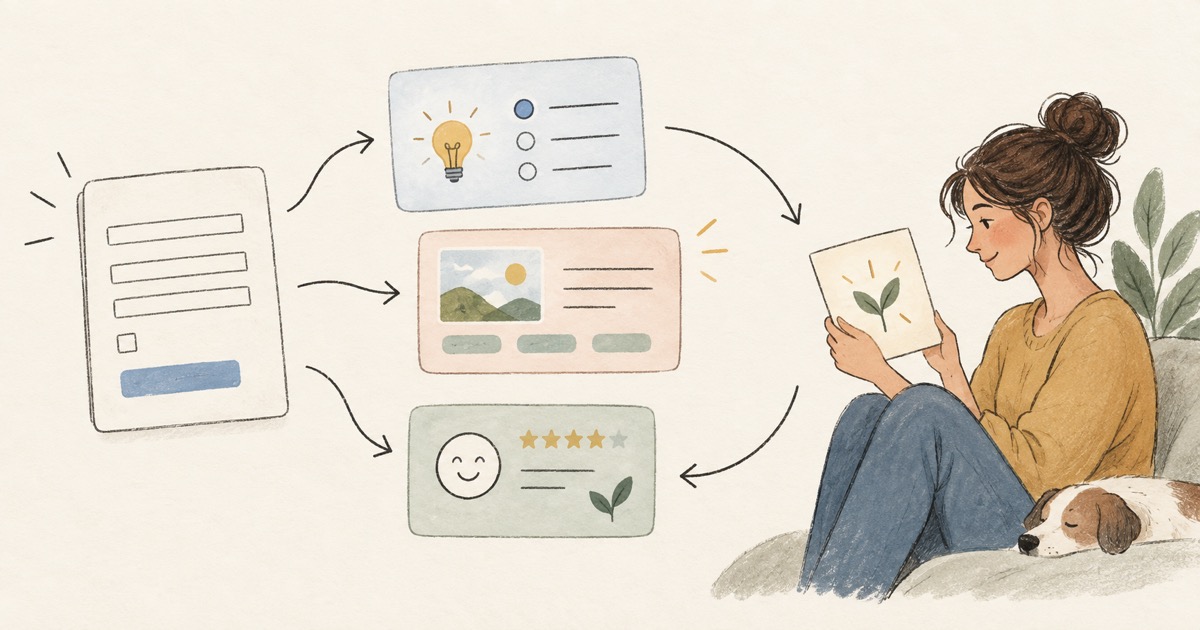
Forms are usually collection tools. Quizzes show another possibility: structured interactions that teach, recommend, reflect, and give something useful back

AI can draft questions, scoring, and result pages in seconds. The important work is choosing the promise, checking the logic, and deciding what the quiz means

A good personality quiz can give people useful language for their preferences and habits without pretending that ten questions can define a whole person
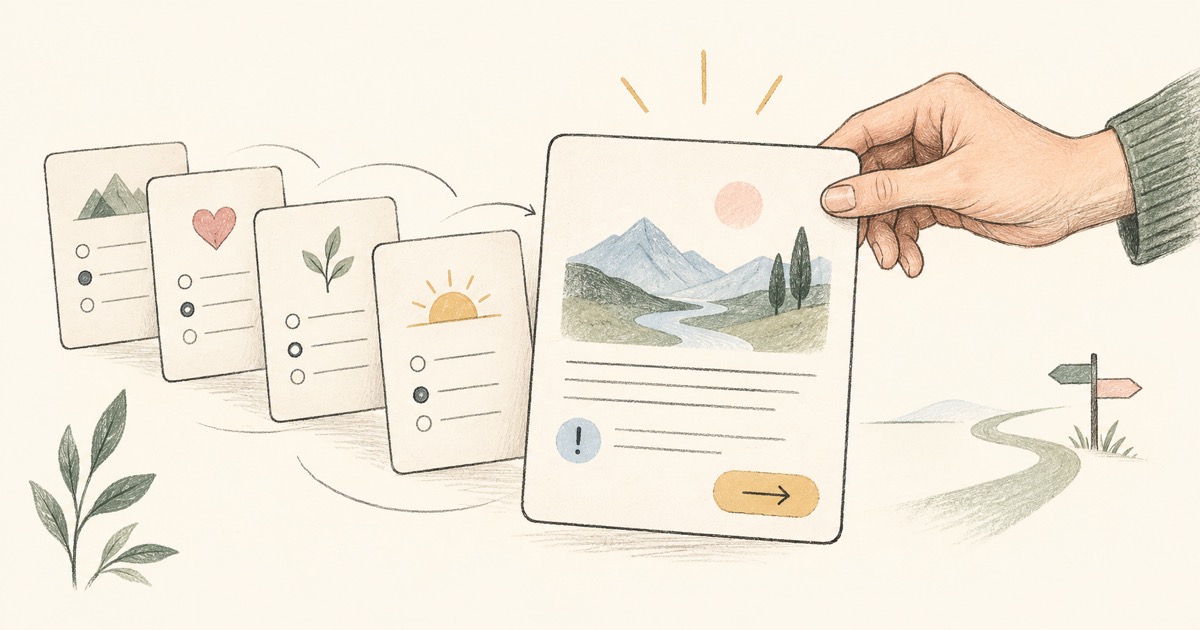
The questions start a quiz, but the result page gives it meaning: score explanations, outcome profiles, and next steps matter more than a final number

A useful quiz does more than collect answers. It guides people toward a result, an explanation, or a next step that makes the interaction worth finishing

We added European Portuguese after learning that readable translation is not the same as a form that feels natural and trustworthy to the person filling it out

Why listing FormHug in ChatGPT and Claude matters: agent-ready products must be discoverable, understandable, and trustworthy at the exact moment of need

Agent-ready forms give AI agents a reliable way to read, create, manage, and submit forms while keeping humans in control of the workflow
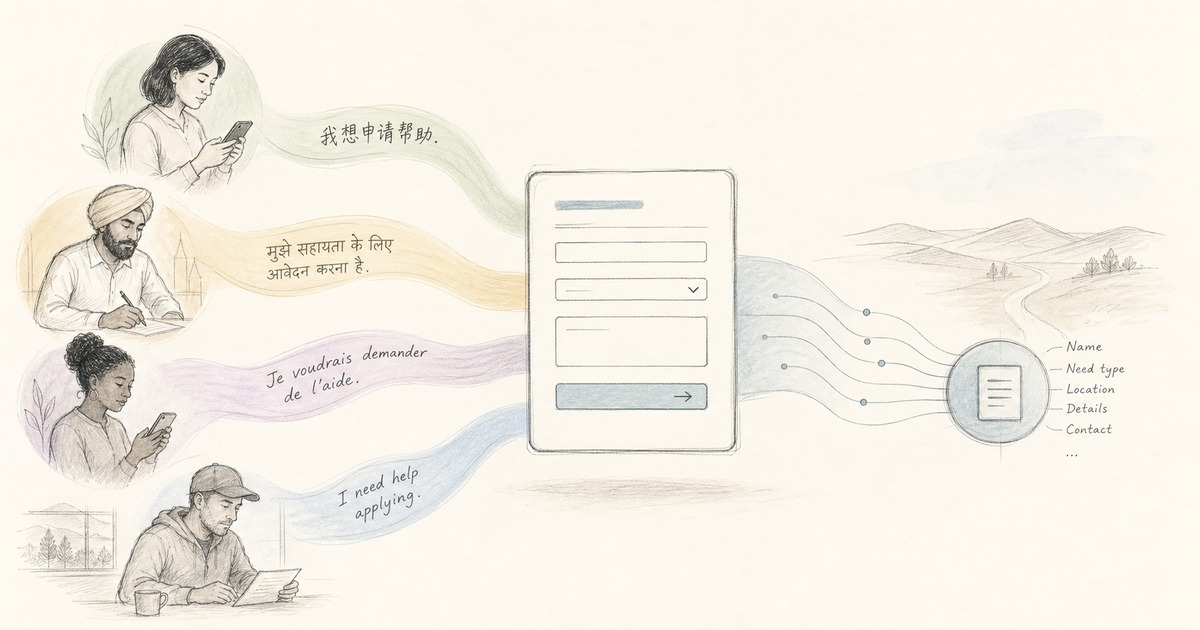
Why multilingual forms are not just translation features, but a product choice about trust, access, structured input, and human-friendly workflows for everyone
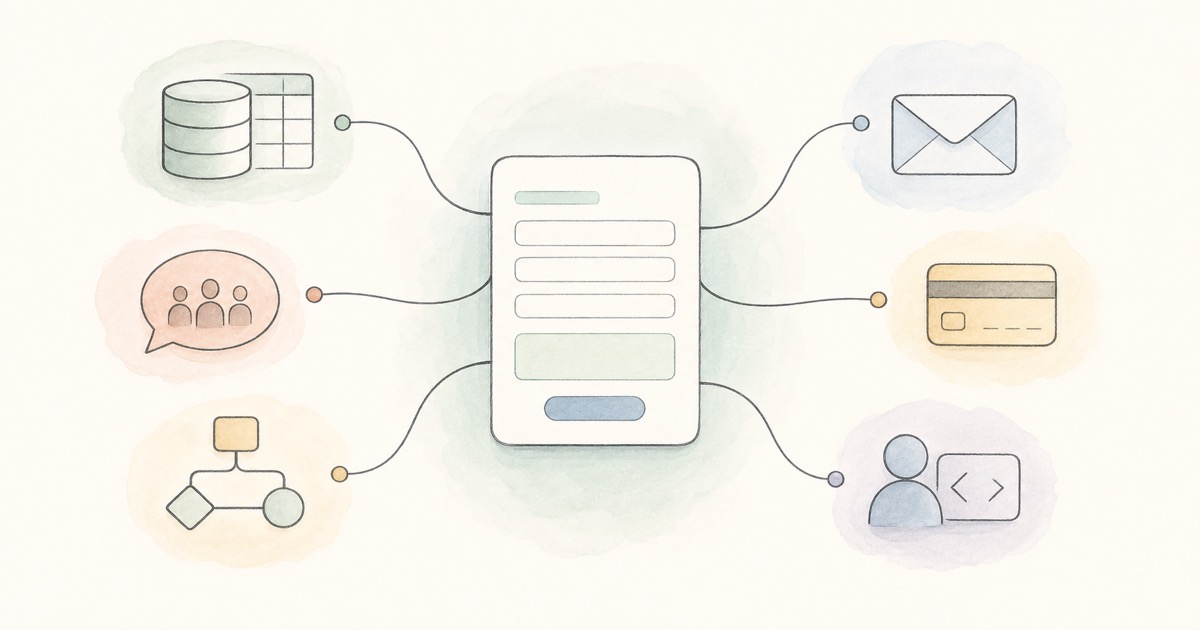
Why form products need a focused integration layer for records, alerts, automation, email identity, payments, developer endpoints, and agent workflows

A founder note on why SaaS products may need fewer embedded AI buttons and better agent-facing interfaces for Claude, Codex, and other agents

AI agent workflows need a form layer for registrations, waitlists, feedback, lead qualification, quizzes, assessments, and structured follow-up
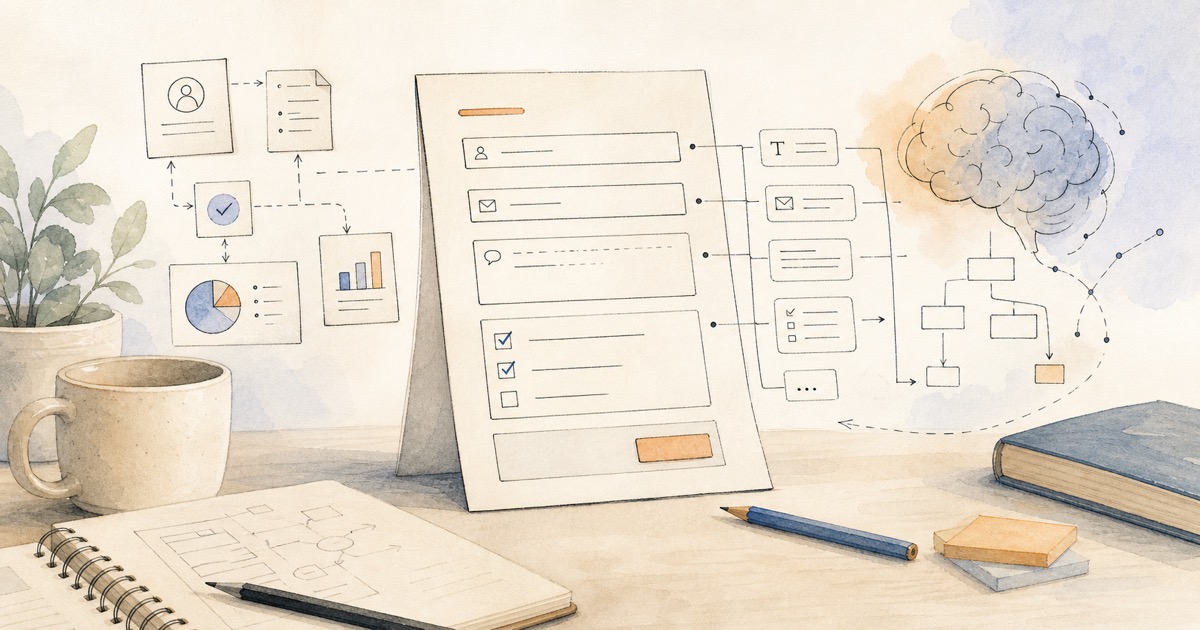
The future of forms is agent-native: AI form builder 2026 workflows help agents create, read, and act on structured human input, not replace it

AI forms help people collect structured input while agents create, read, and act on submissions, turning an AI form builder into workflow infrastructure
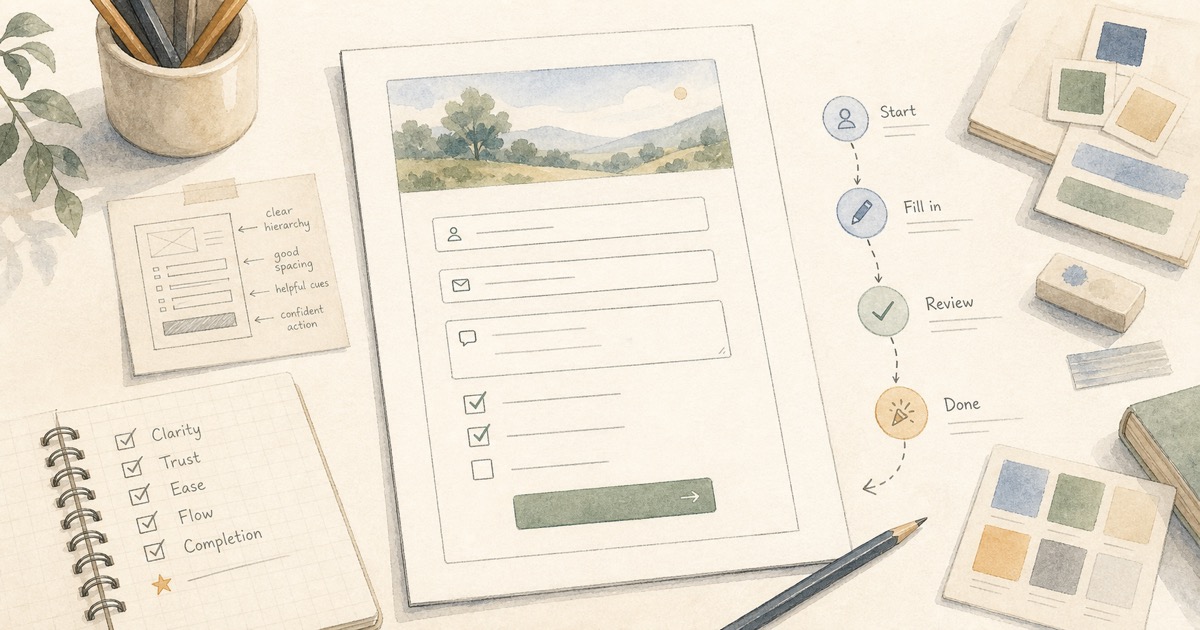
Beautiful forms convert better because they reduce doubt. Learn when classic forms beat card flows and how FormHug makes one-page forms feel carefully designed

Compare online forms vs fillable PDFs for registrations, intake, applications, consent, payments, mobile completion, confirmations, and spreadsheet exports
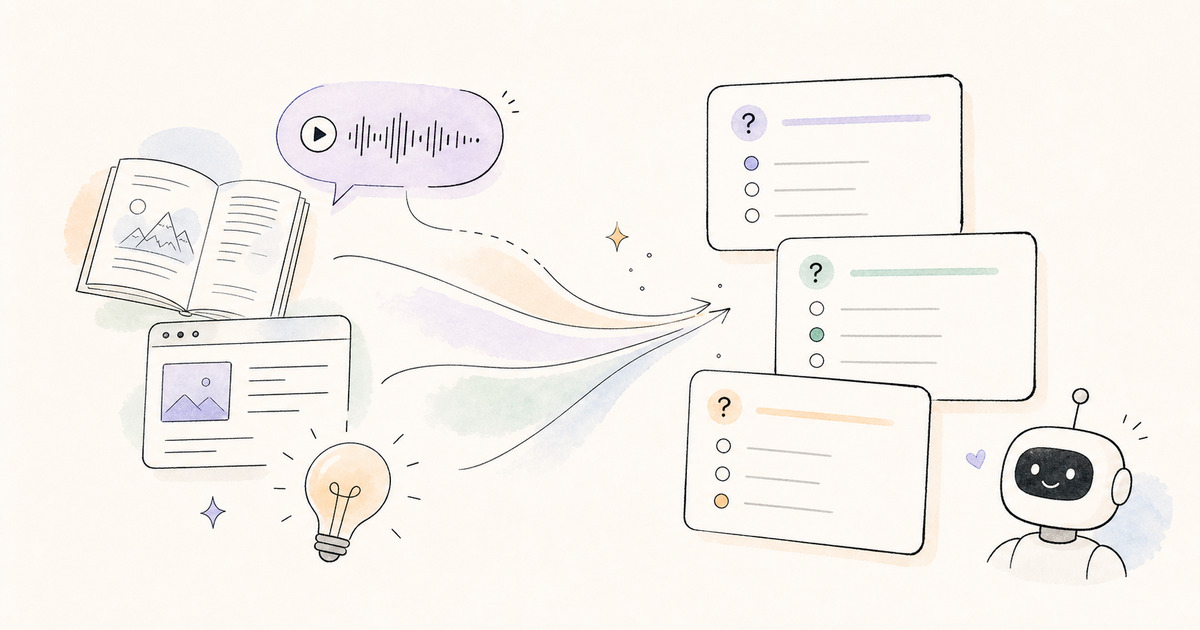
Everything can be a quiz. Learn how AI turns text, webpages, videos, voice notes, knowledge, and simple ideas into quizzes for learning or self-discovery